2026-6-8
(Courtesy of Taiwan Panorama May 2026)
Lynn Su /photo by Lin Min-hsuan /tr. by Scott Williams
The Little Guanyinshan Reservoir opened to tourists in 2019 and saw tremendous interest from domestic visitors during the Covid-19 pandemic. Come hear the “drip, drip” of a century’s worth of waterworks history!
The old pump house that is home to the Taipei Museum of Drinking Water is a magnificent century-old Neoclassical-style structure built in 1908. Planned by British engineer William K. Burton, “the father of Taiwan’s modern water supply system,” it was originally the heart of Taipei’s waterworks. Designed by Japanese architect Moriyama Matsunosuke, the building features a lovely curved gallery lined with Ionic columns.
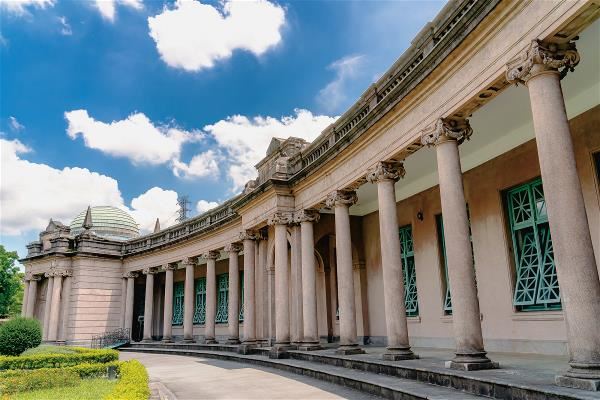
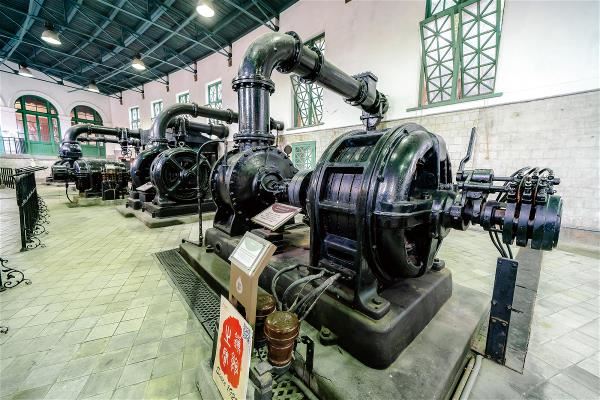
The cradle of Taipei’s modern water system
The facility’s giant water pumps still stand on the site, a symbol of industrial civilization. During the period of Japanese rule, water drawn from the Xindian River was purified here, and pumped up into a reservoir partway up Mt. Guanyin (a nearby hill, also called “Little Mt. Guanyin” in deference to its larger namesake in New Taipei’s Bali District). From there, gravity carried it back downhill to old downtown Taipei (the area within the former city walls), and to Dadaocheng and Bangka (Monga). The waterworks was retired in 1977 and designated a municipal heritage site in 2002.
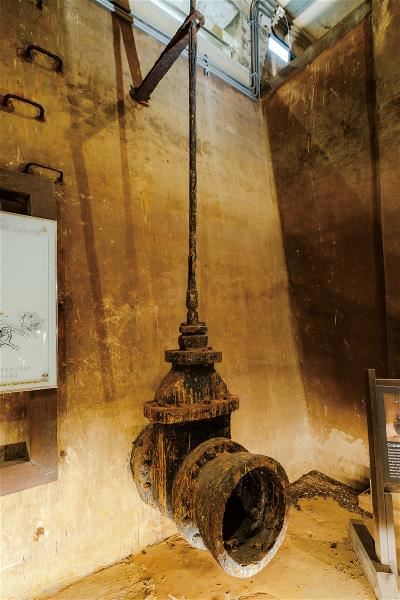
Visitors who climb the footpath eventually reach a grassy field covering the underground reservoir for purified water. Of the 60 iron ventilation shafts that once rose up through the reservoir’s roof to dot the field, only four remain. Various other installations including a purification chamber and pipework are connected to the reservoir.
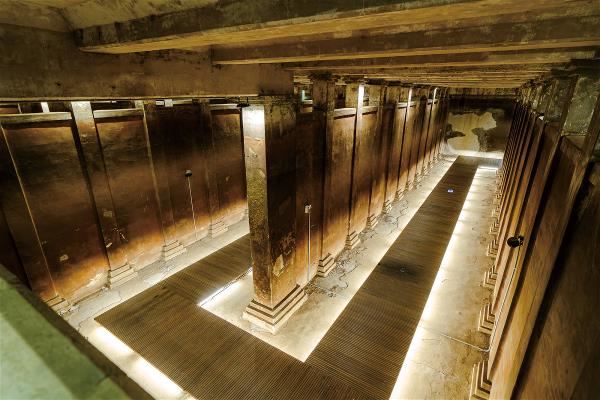
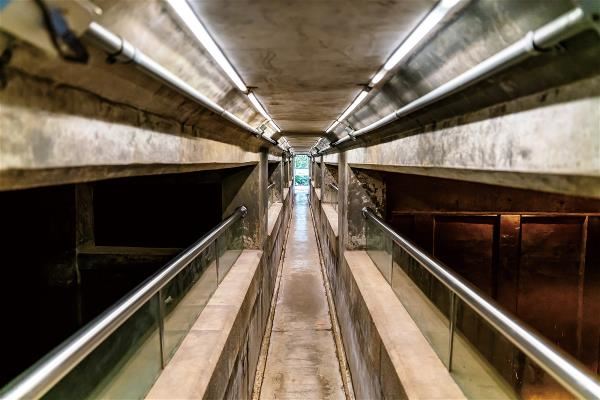
At 55 meters long, 30 meters wide and five meters deep, the reservoir has been compared to Tokyo’s Metropolitan Area Outer Underground Discharge Channel and Istanbul’s Basilica Cistern.
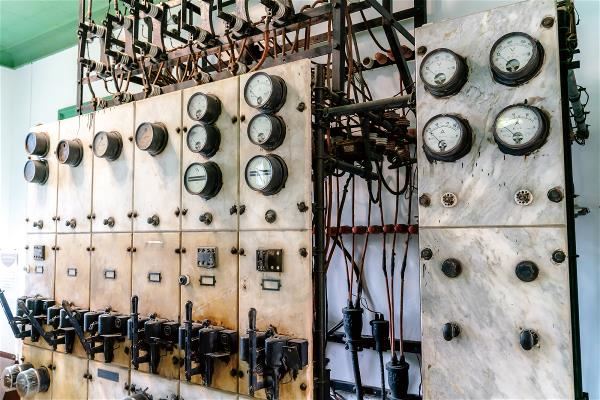
As magical as a movie setting
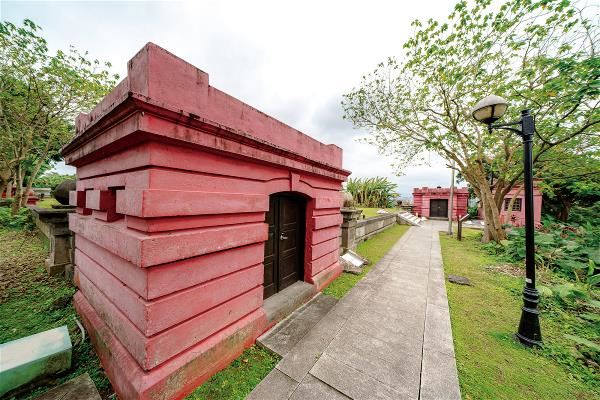
The bright red entrance of the reservoir is thought to have first been painted red after World War II.
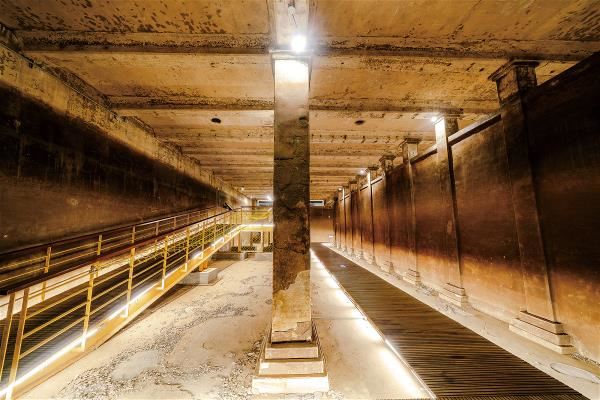
Though the reservoir has been made more visitor friendly, the renovations have been guided by a “minimum interference” principle intended to maintain the roughhewn look of the previously long-abandoned space. The cracking and peeling of the original cement render, caused by the removal of water pressure after decades of use, highlight the passage of time.
Lin Yu-chen, a section chief in the Taipei Water Department’s Subsidiary Business Development Division, notes the inverted trapezoid design of the reservoir, which helped it better withstand the tremendous water pressure. Five guide walls extend from opposite sides into each half of the body of the reservoir to direct the water’s flow, with rows of supports rising from these walls in three tiers to better distribute the weight of the roof.
In the soft lighting, the space looks like something out of a video game. “Who could have known that the passage of a century would transform this into a tourist destination?” muses Lin. The space is so unique that the Shiatzy Chen fashion label even arranged to use it for a fashion show!