2026-6-1
(Courtesy of Taiwan Panorama May 2026)
Joanna Wan /photo by Jimmy Lin /tr. by Phil Newell
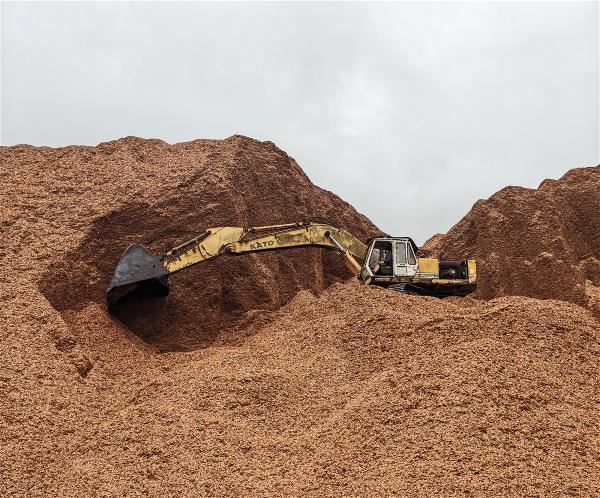
How can traditional industries go from being stereotypical huge carbon emitters to joining the vanguard of carbon sequestration? At its Hualien Mill, near the mouth of the Hualien River, Chung Hwa Pulp Corporation (CHP) has opened an environmental education park that charts the journey of a tree. Papermaking is no longer just about industrial production, but is in the midst of a nature-adaptive materials revolution.
When petroleum can no longer be relied on
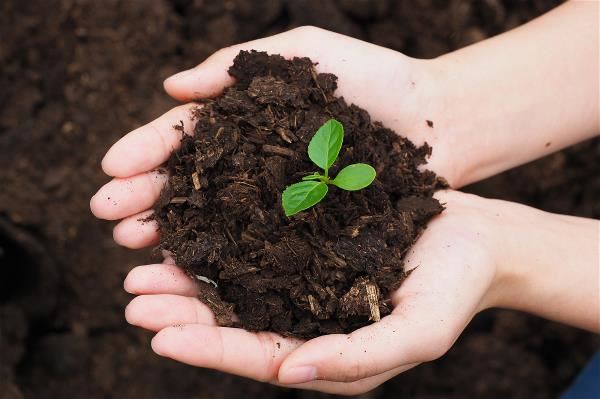
When we begin our interview with CHP chairman Kirk Hwang, the topic isn’t paper but the raw materials crisis. “The solution may very well come from the forests.” He is referring to the idea of the “saccharide economy” (a.k.a. the carbohydrate economy) proposed by S.C. Ho, president of YFY Academy. The first word of this term refers to cellulose, a polysaccharide produced by plants through photosynthesis. “Just as batteries store electricity, wood stores carbon.” As trees absorb carbon dioxide, they sequester carbon in their biomass, and when wood fibers are turned into paper, the carbon is subsequently stored in the paper.
In the end petroleum will be exhausted, but the forests can be eternal. Photosynthesis is the natural world’s most effective method for removing carbon from the atmosphere.
The complete cycle of a tree
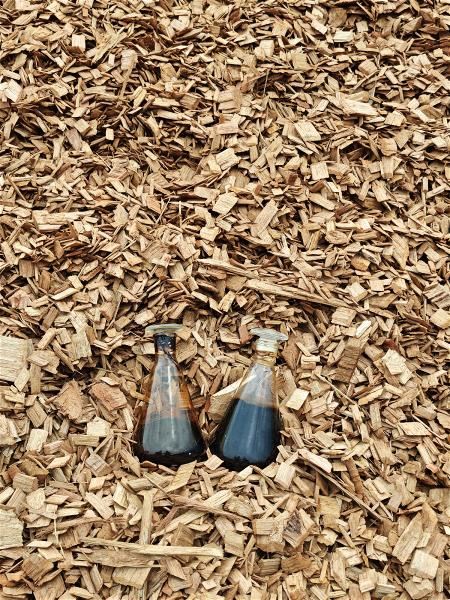
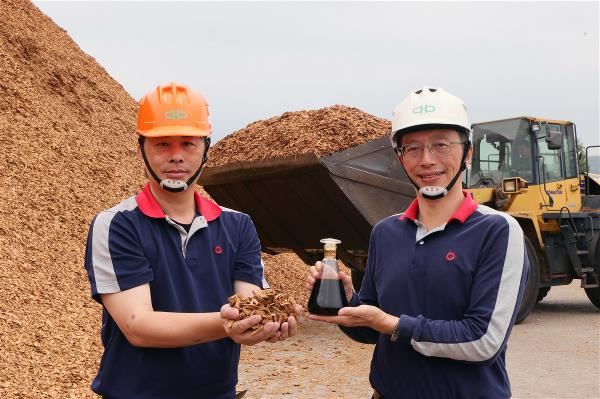
At CHP, a tree is never simply “used up,” but is employed in different ways. Cellulose constitutes 50% of wood and is made into pulp for papermaking. The remaining 50% is lignin, which is concentrated and used for cogeneration (combined heat and power).
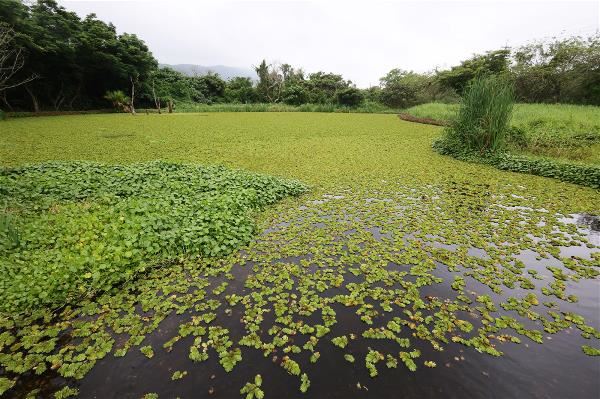
Water resources are likewise carefully managed. Water used in the paper manufacturing process is purified by sedimentation and biological treatment before being discharged. The eco-pond at the rear of the Hualien Mill was created using reclaimed water, and attracts not only protected species like the ring-necked pheasant but even dragonflies, which are very selective about their habitats.
In addition, mineral residues from papermaking are cold pressed to make “eco-bricks,” while residual woodchips are fermented with rice bran to produce organic fertilizer well-suited to improving soil quality and growing tree seedlings. Farms in Hualien’s Guangfu Township that were damaged by a barrier lake collapse in 2025 have used this fertilizer to help the land recover.
In this system, “waste” is no longer waste, but is material for circular reuse.
The materials revolution
CHP is currently in the midst of a major upgrading project: building Taiwan’s largest biomass power generation facility at the Hualien Mill. Due for completion in 2027, it will raise the mill’s green power self-sufficiency rate from 40% to nearly 90%. Biomass power generation is very dependable since it does not rely on the vagaries of the weather, and the CHP system will not only mean that the company no longer competes with households for electricity, but will also provide support to the hard-pressed national power supply.
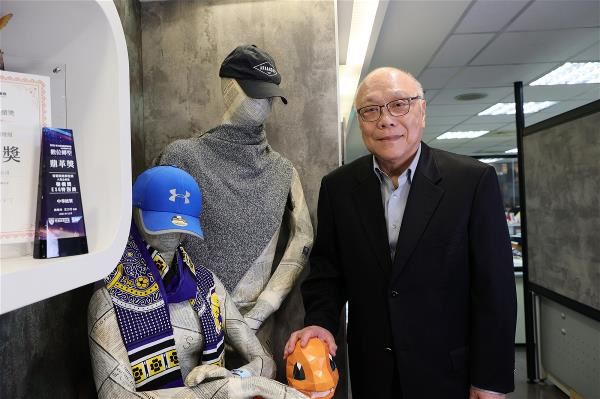
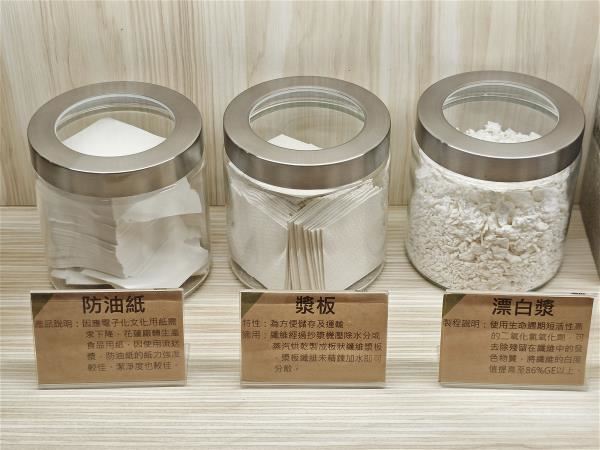
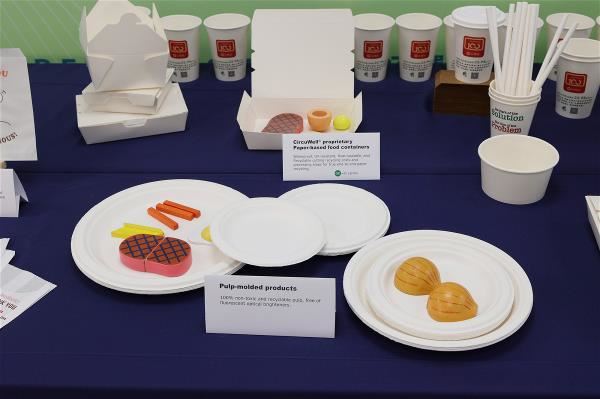
At the same time, CHP is continuing to invest in materials innovation. It has developed products including fluorine-free greaseproof paper for use in food packaging, and Ecocell paper-based yarn for making textiles.
For Yuen Foong Yu, CHP’s parent company, the saccharide economy is not a new invention, but something the firm has been implementing for many years. Since CHP’s founding in 1968 through the present day, the corporation has not only been making paper but has also been a supplier of biomass materials, steadily working towards net-zero carbon emissions.
From factory to classroom
In 2024, CHP’s Hualien Mill became the first manufacturing site in Hualien County to be certified by the Ministry of Environment as an environmental education facility.
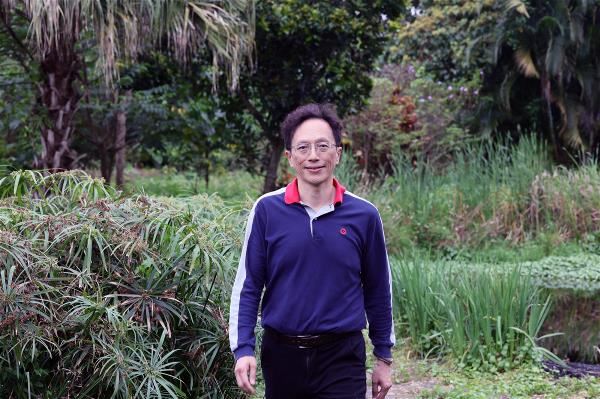
“Education is at the root of everything,” argues Kirk Hwang. Sustainability depends in the end on human action. Starting in 2021, CHP spent three years training its employees to turn technical jargon into teaching materials that can be understood by high-school students.
Allen Chiu, vice president of the CHP Hualien Mill, admits that the certification process was very demanding. But when he heard local students clearly explaining the circular economy, he felt it was all worthwhile. “We have the knowledge, and it is only right that we share it with the children of Hualien.”
Chiu communicates this sense of achievement to the company’s employees, to let them understand that their work is not just about making money, but about passing along knowledge.
Innovation without shortcuts
There are no ready-made solutions in the transition to sustainability. Kirk Hwang says that CHP’s path to cross-domain innovation has had no turnkey models or standard operating procedures to follow. Their only option is to courageously feel their way forward, gaining experience through time and investments. Yet no matter the obstacles, they are determined to become a zero-waste, zero-emissions model for the world’s paper pulp industry.
With the saccharide economy as its foundation, CHP is meeting the challenges of energy and carbon management. Its vision is to build the future one tree at a time.